

Report Synopsis
Great Minds Don’t Think Alike: Neurodiversity in Agriculture
This report explores the role of neurodiversity in agriculture, a sector experiencing rapid change and growing workforce pressures, and advocates for greater recognition, understanding, and inclusion of neurodivergent people within it.
Neurodiversity refers to the natural variation in human brains and the unique perspectives and skills this brings. Conditions such as autism, ADHD, and dyslexia are all part of this spectrum. An estimated 15–20% of the general population are neurodivergent, and this figure may be even higher in agriculture, an industry that has always valued different ways of thinking. The 2024 Farmers’ Weekly Level the Field survey suggests 1 in 3 farmers consider themselves neurodivergent, with many more unsure - around double the rate of the general population.
My Nuffield study tour took me to the UK, Ireland, the USA, and Australia. I met neurodivergent people thriving in agricultural roles and saw first-hand the potential for agricultural businesses to harness this talent pool. I also visited education providers, employment initiatives, and businesses employing neurodivergent people successfully in a range of non-agricultural industries.
Some key messages emerged. Neurodiversity is already a significant, if largely hidden, force within agriculture. Many neurodivergent people find their unique skills, such as affinity with animals, hyperfocus, pattern recognition, and an ability to ‘think differently’, align naturally with agricultural tasks and responsibilities.
Agricultural businesses can become more neuroinclusive without huge expense or upheaval. Small adjustments such as clear communication, flexible roles, mentoring, and well-structured routines can enable neurodivergent employees to flourish and realise their full potential. Furthermore, these accommodations often benefit everyone in the workplace.
There are policy and education gaps that need addressing if we are to realize the full potential of neurodiversity in agriculture. There is a lack of tailored training, a shortage of employment initiatives, and limited awareness and understanding across the industry. To create a more neuroinclusive agricultural sector, we need collaboration and innovation across the industry.
This report concludes with a set of recommendations for businesses, policy makers, education providers, and neurodivergent people themselves. If implemented, these measures will help create a more adaptable, productive, and compassionate agricultural industry where everyone’s unique skills can flourish.
Ultimately, embracing neurodiversity makes great business sense. By unlocking the potential of all its people, agriculture can become a more innovative, resilient, and desirable place to work, securing its future in a rapidly changing world.
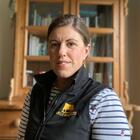
Liz Haines
McDonald’s UK & Ireland