

Report Synopsis
Enhancing The Resilience Of UK Dairy Sector: How Do We Practically Adapt To Increasingly Volatile Weather Conditions?
The UK dairy sector is set to undergo increasing pressure from a changing climate; from hotter summers and erratic rainfall to longer dry spells and storm events. The sector needs to better understand this phenomenon and start incorporating it into our decision making today.
This report explores how dairy farmers around the world are adapting to climate change, and what practical lessons can be utilised in the UK to support farm resilience.
Over a two-year period I visited farmers, research, processors, and stakeholders in USA, Mexico, Ireland, India, Brazil and the UK, to explore what adaptation looks like, what are the impacts of adaptation, and importantly, how do we weave adaptation and resilience thinking into farm management.
No two systems or perspectives were the same, but the core takeaways were consistent: resilience is achievable for many system types, but it requires planning, mindset shifts, and flexibility.
I grouped the most common adaptation practices into three categories:
- Herd Management: Breeding for heat- and disease-tolerant cattle, adjusting calving seasons, using smart collars for early health alerts, and managing stocking rates more carefully to match forage supply.
- Land Management: Improving water retention through composting and mulching, switching to drought-resilient forages, and experimenting with multispecies leys or silvopasture systems.
- Infrastructure: Providing shade (via trees or shelters), investing in cooling (fans, misters), and designing sheds and layout to maximise airflow and comfort.
Exploring these adaptation practices is not to blindly suggest their widespread adoption but is to showcase variety and case studies of how farms have transformed management over time to mitigate the impacts of extreme climates on their herds, their health, and their economics.
Resilience is not only about understanding what adaptation practices you can apply to dairy farms, but it’s cemented through leadership and mindset. It’s about having the headspace to predict the limits of the farm and understand how these limits might shift in the future. Many farmers I spoke to only made adaptive changes after a crisis forced them to think differently. These were painfully recalled; stories of herd welfare events, severe forage vulnerabilities, or mental health issues. We have the opportunity in the UK to leapfrog many of these ‘breaking points’ and use information to promote resilience leadership in the industry.
In the UK, we have an abundance of research, innovation, and knowledge exchange platforms but the frequency to which we discuss climate resilience still lags behind. By sharing global examples, this report aims to prompt action: to ensure the industry is not just reacting to climate pressures but preparing for them. This isn’t fearmongering. It’s about taking control and getting ahead.
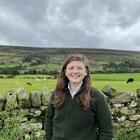
Hattie McFadzean
AHDB