
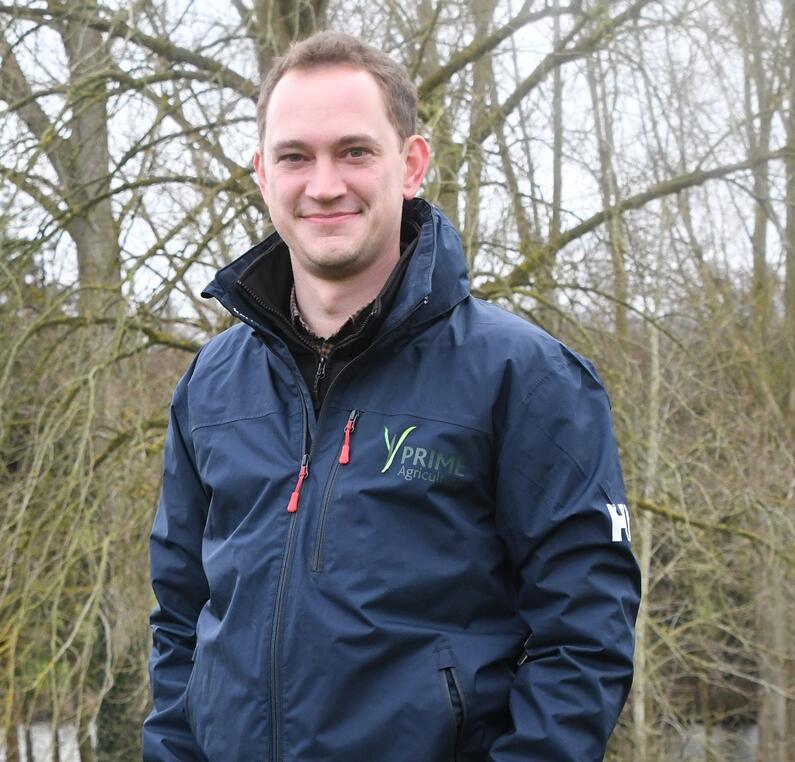
Alistair Neill
Based in East Anglia, I work independently as a potato agronomist, providing unbiased, practical advice directly to growers – with no ties to input suppliers.
My career started as a summer student for a fresh potato packer after I left sixth form. From there, I worked and trained my way up to become an agronomist, eventually stepping into the independent world to broaden my horizons.
I didn’t come from a farming background. I didn’t go to university or study science beyond GCSE. That meant a steep learning curve but also a different way of thinking. Rather than following the traditional path, I’ve built my knowledge from the ground up, shaped by real-world experience and time in the field.
Now with over 10 years of experience, I’ve worked across all sectors of the potato industry. I advise on all aspects of potato production from early planning through to watching the lorry leave the yard. I bring a whole-system perspective to every grower I work with.
Whether it’s improving yield, managing risk, or reducing environmental impact, my focus is on helping growers build sustainable, efficient, and profitable potato businesses.
Digging into Emissions: The Potato Conundrum
John Oldacre Foundation
Study Overview
Who wants to live in a world without chips, crisps or roast potatoes? Not me. That, along with food security and self-sustainability, are why I am passionate about ensuring the future viability of this humble and staple crop of UK agriculture.
The potato industry, like all agricultural industry’s faces unprecedented challenge. Not least, the climate challenge. Regretfully potato production is one of the worst offenders in the arable rotation for its carbon emissions. Large nitrogen applications, high water demand, mega-tons of soil movement on top of the gallons of diesel burnt make it a tricky crop to foresee in a 'low carbon agricultural world'. Potatoes then have a bonus challenge; storage.
Regenerative agriculture is rolled out as the saviour for all this but I believe its important to not shut off from other opportunities and keep pushing boundaries with best practice. Technology is moving at a phenomenal pace and agriculture needs to keep up. Low carbon fertilisers, improved understanding of nutrient cycling and plant health, more informed precision applications of fertiliser chemicals and water, stone management, storage efficiencies are just a few areas I plan to investigate.
The goal is to provide actionable insights for farmers and industry, supporting a transition toward climate-smart potato production that is both economically viable and environmentally responsible.